
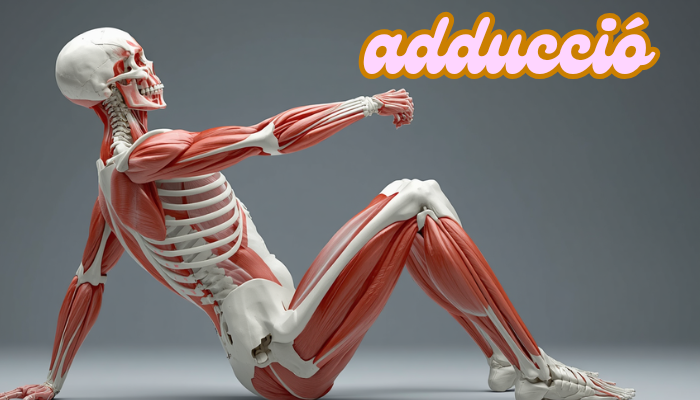
Adduction might sound like a technical term reserved for anatomy textbooks or physical therapy sessions, yet it plays a quiet but powerful role in how we move every single day. Whether you are walking, reaching across your body, or stabilizing yourself during a workout, this motion brings parts of your body closer to your midline. Far from being just another buzzword in fitness circles, understanding adduction can transform the way you approach training, rehabilitation, and even everyday comfort.
Let us explore this fascinating concept together. I will walk you through the basics, dive into the muscles involved, share practical applications, and offer tips that you can use right away. By the end, you will see adduction not as an abstract idea but as a key player in your body’s natural harmony.
What Exactly Is Adduction?
In simple terms, adduction is the movement that draws a limb or body part toward the central line of your body, known as the sagittal plane. Think of it as the opposite of abduction, which moves things away from the center. For example, when you squeeze your thighs together or bring your arm down to your side from an outstretched position, you are performing adduction.
This motion happens at various joints. At the hip, it brings your leg inward. At the shoulder, it pulls your arm closer to your torso. Even your fingers and toes have adductor muscles that help with fine control. The term comes from Latin roots meaning “to bring toward,” which perfectly captures the action.
You might notice adduction most clearly when it is limited. People recovering from hip injuries often struggle to bring their legs together, making simple tasks like crossing their legs or getting in and out of a car feel challenging. Athletes, dancers, and anyone who values balanced movement benefit greatly from paying attention to these often-overlooked motions.
The Anatomy Behind Adduction
Your body relies on a network of muscles, tendons, and joints to make adduction smooth and efficient. Let us look at the major players.
Hip Adductors: Often called the groin muscles, this group includes the adductor longus, adductor brevis, adductor magnus, pectineus, and gracilis. They run along the inner thigh and are crucial for stability during walking, running, and quick changes of direction. The adductor magnus is particularly powerful, acting almost like a bridge between the hamstrings and the inner thigh.
Shoulder and Arm Adductors: Muscles like the latissimus dorsi, teres major, pectoralis major, and subscapularis help pull the arm toward the body. These are the muscles that give you that satisfying feeling when you complete a pull-up or hug someone tightly.
Hand and Foot Adductors: Smaller but important, these control finger and toe movements toward the midline. In the hand, the palmar interossei muscles handle adduction of the fingers. Similar muscles work in the feet.
Joints also matter. The ball-and-socket design of the hip and shoulder allows a wide range of adduction, while hinge joints like the knee play a more limited but still vital role. Ligaments and connective tissues provide support, preventing excessive movement that could lead to strains.
Understanding this anatomy helps explain why imbalances here can cause problems elsewhere. Weak adductors might force your outer hip muscles (abductors like the gluteus medius) to overcompensate, leading to knee pain or lower back issues.
Why Adduction Matters in Daily Life and Performance
Many people focus heavily on abduction movements, like side leg lifts or lateral raises, but neglect the inward pull. This imbalance can set the stage for injuries. Strong adductors contribute to better pelvic stability, which is essential for posture and core strength.
In sports, adduction shines in activities that require quick lateral movements. Soccer players use adductor strength to kick, cut, and stabilize during tackles. Hockey players rely on it for powerful strides on ice. Even in swimming, the inward pull of the legs during the breaststroke kick depends on these muscles.
For everyday wellness, good abduction supports hip health as we age. It helps maintain balance and reduces the risk of falls. Pregnant individuals or new mothers often work on adduction-related stability to support the pelvis after the demands of childbirth. Dancers and yoga practitioners use controlled adduction to achieve graceful transitions and strong poses.
Moreover, adduction plays a subtle role in breathing and core engagement. The pelvic floor and deep core muscles coordinate with adductors to create intra-abdominal pressure, which protects the spine during lifts or sudden movements.
Common Injuries and How the Adduction Factors In
Groin strains are among the most common complaints associated with the adductor muscles. These often happen during sudden changes in direction or when muscles are fatigued. Symptoms include sharp pain in the inner thigh, swelling, and difficulty squeezing the legs together.
Other issues include adductor tendinopathy, which occurs when repetitive stress irritates the tendon. Hip impingement or labral tears can also involve adduction limitations. On the upper body, shoulder adductor strains may occur after intense pulling sessions without proper warm-up.
Prevention starts with balanced training. Incorporate both adduction and abduction work, maintain flexibility, and prioritize recovery. If you experience persistent inner thigh tightness, consider seeing a physiotherapist to assess your movement patterns.
Effective Exercises to Strengthen Adduction
Building adductor strength does not require fancy equipment. Here are some approachable, progressive options.
Side-Lying Adduction: Lie on your side with your bottom leg straight and top leg bent over it for support. Lift the bottom leg upward toward the ceiling, then lower it slowly. This isolates the inner thigh beautifully.
Standing Cable Adduction: Using a cable machine or resistance band anchored low, stand sideways and pull one leg across your body. Control the return movement for maximum benefit.
Sumo Squats and Wide-Stance Movements: These naturally engage the adductors more than narrow-stance versions. Focus on pushing the knees slightly outward on the way up while feeling the inner thighs work.
Adductor Machine (if available): A classic gym tool that lets you squeeze padded levers together. Start light and focus on the full range without momentum.
Copenhagen Plank: An advanced option where you rest one leg on a bench and hold a side plank while squeezing the top leg downward. It builds serious stability.
Ball Squeezes: Simple yet effective. Lie on your back with your knees bent and a small ball or pillow between them. Squeeze and hold for several seconds.
Aim for 2-3 sets of 10-15 repetitions, two to three times per week. Combine with glute and core work to balance the hips. Always warm up with light cardio and dynamic stretches.
Flexibility and Mobility for Healthy Adductors
Strength alone is not enough. Tight adductors can limit range and contribute to poor posture. Gentle stretches, like the butterfly stretch (seated with the soles of the feet together) or the frog pose, can help. Hold stretches for 20-30 seconds without bouncing.
Yoga flows that include wide-legged forward folds or variations of the lizard pose offer dynamic mobility. Carefully foam-rolling the inner thighs can release tension, but go slowly to avoid bruising sensitive areas.
Breathing matters here, too. Deep, diaphragmatic breaths during stretches encourage relaxation and better results.
Adduction in Rehabilitation and Special Populations
Physical therapists often emphasize adduction exercises for ACL recovery, hip replacement patients, and those with chronic lower back pain. Controlled movements rebuild stability without overloading healing tissues.
For older adults, gentle adduction work improves walking confidence and reduces compensatory patterns that strain joints. In youth sports, early focus on balanced hip strength can prevent future overuse injuries.
Women going through menopause may notice changes in pelvic stability, making adductor and pelvic floor coordination especially valuable.
Training Tips for Long-Term Success
Listen to your body. Mild discomfort is normal when starting new movements, but sharp pain is a signal to stop. Progress gradually by increasing resistance, reps, or hold times.
Pair adduction training with overall lower body work. Squats, lunges, and deadlifts already involve adductors indirectly. Targeted exercises fill in the gaps.
Nutrition supports muscle health. Protein, omega-3 fatty acids, and anti-inflammatory foods like berries and leafy greens aid recovery. Stay hydrated, as dehydration can increase the risk of cramping in the inner thigh muscles.
Track your progress. Notice how your posture feels, whether stairs feel easier, and whether your sports performance improves. Small wins add up.
Integrating Adduction into a Balanced Routine
Think of your training week holistically. A sample lower body day might include:
- Warm-up with hip circles and marching
- Squats or sumo squats
- Lateral lunges
- Copenhagen planks or side-lying adductions
- Glute bridges with a squeeze at the top
- Cool-down stretches
For the upper body, rows and pull-ups naturally train shoulder adduction. Add specific arm adductions for extra emphasis.
Functional training, such as carrying heavy objects or practicing single-leg balance, also challenges the adductors in real-world ways.
Beyond the Gym: Adduction in Everyday Movement
Observe your habits. Do you cross your legs one way more than the other? Do you favor one side when carrying bags? Small asymmetries can build over time. Simple awareness encourages better movement patterns.
In activities like gardening, cleaning, or playing with kids, you engage adductors more than you realize. Making conscious choices, like using both sides evenly, supports long-term joint health.
The Future of Addiction Awareness
As movement science advances, we see a greater appreciation for often-neglected muscle groups, such as the adductors. Wearable technology and gait analysis help people understand their unique patterns. Virtual training platforms now include more balanced programming.
Research continues to explore connections between hip adductor strength and athletic longevity, injury resilience, and even cognitive benefits through better overall mobility.
Embracing Balanced Movement
Adduction reminds us that true strength comes from harmony, not just the obvious showy muscles. By nurturing these inner movements, you build a more resilient, capable body that serves you well through all life’s stages.
Start small. Add one or two adductor-focused exercises to your next workout. Pay attention to how your body feels in daily activities. Over time, you will likely notice improved stability, easier movement, and fewer aches.
Your body is an incredible system designed for varied, functional motion. Honoring adduction is one meaningful way to respect and care for that system. Whether you are a dedicated athlete, a busy parent, or someone simply wanting to feel better in your skin, these principles can help you move with greater ease and confidence.
Remember, consistency and curiosity matter more than perfection. Keep exploring, keep moving, and enjoy the journey toward a stronger, more balanced you. Your adductors will thank you, and so will the rest of your body. (Word count: approximately 2010)