
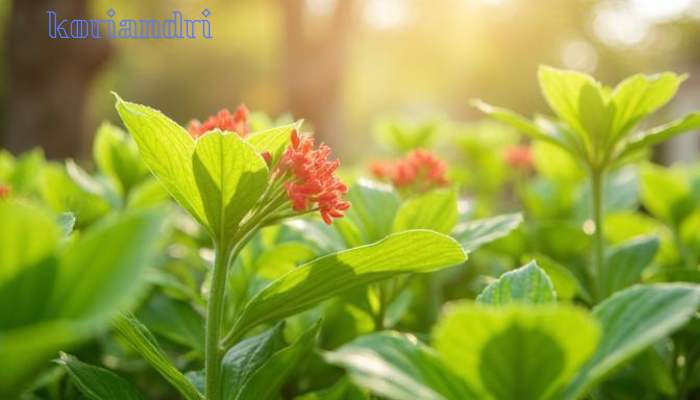
Coriander: One Plant, Two Personalities
Few herbs spark as much passion as coriander. Ask someone whether they love it, and you are likely to get one of two very strong reactions. Either their eyes light up with genuine affection, or their face twists into something approaching horror. This polarizing reputation is part of what makes coriander one of the most talked-about plants in kitchens around the world.
But beyond the debate, coriander is a herb of remarkable depth. It is ancient, versatile, nutritionally generous, and used across so many different culinary traditions that it is almost impossible to imagine global cooking without it. From the curries of South Asia to the salsas of Central America, from the stews of North Africa to the noodle soups of Southeast Asia, coriander appears again and again as an essential ingredient that brings brightness, warmth, and complexity to everything it touches.
Understanding coriander means exploring not just a plant but a whole story: of history, flavor science, traditional medicine, home gardening, and the deeply personal relationship that cooks develop with their ingredients.
What Exactly Is Coriander?
Coriander, known scientifically as Coriandrum sativum, is a flowering plant in the Apiaceae family, which also includes parsley, dill, fennel, and caraway. The entire plant is edible, and, interestingly, its different parts taste quite different.
The fresh leaves and stems are what most people in Western countries call cilantro, a name borrowed from Spanish. In much of Europe, Asia, and Africa, however, the leaves are simply called coriander leaves, and the Word “coriander” applies to the whole plant. This naming difference sometimes creates confusion in recipes, particularly when cooking from international cookbooks.
The seeds are the plant’s dried fruit and have a flavor profile that is noticeably different from the fresh leaves. Where the leaves are bright, citrusy, and a little grassy, the seeds are warm, nutty, slightly sweet, and gently spiced. Ground coriander seed is a cornerstone spice in curry powders, spice blends, and marinades. Whole seeds are used in pickling brines, bread baking, and sausage making.
The roots, though less commonly used in Western cooking, are prized in Thai cuisine, where they are pounded into curry pastes alongside garlic and pepper to create deeply savory, aromatic bases.
So when someone says they love or hate coriander, it is worth asking: which part do they mean? The answer might surprise them.
A Brief History of Coriander
Coriander is one of humanity’s oldest cultivated herbs. Seeds have been found in Egyptian tombs dating back more than 3,000 years, and the plant is mentioned in the ancient Sanskrit texts of the Vedas. It appears in the Bible, in Hippocrates’ Greek writings, and in ancient Chinese medicinal records.
The Word “coriander” itself has disputed origins. Some etymologists trace it to the Greek Word koris, meaning a type of bed bug, referring to the pungent smell of crushed fresh leaves. Others trace it to different ancient roots. Whatever its linguistic origin, the Word has traveled through Latin, Old French, and Middle English to arrive in the form we use today.
Coriander was among the first herbs brought to the Americas by European colonizers, and it quickly took root in the cuisines of Mexico, Peru, and the Caribbean, where it became so thoroughly integrated that many people consider it a native ingredient. In India, coriander seeds have been used for thousands of years in cooking and Ayurvedic medicine. In Morocco and throughout North Africa, ground coriander is a fundamental component of the spice blends that define the cuisine.
Its global spread is a testament not just to its usefulness but to its adaptability. Coriander grows in a wide range of climates and conditions, which allowed it to follow human movement across continents and centuries with remarkable ease.
The Science Behind the Love and the Loathing
The reason some people genuinely cannot stand fresh coriander leaves comes down to genetics and chemistry. The leaves contain aldehyde compounds, specifically (E)-2-alkenals and related molecules, which are also found in soap and in certain insects. For people who carry a particular genetic variant in their olfactory receptor genes, these aldehydes are overwhelmingly prominent in the smell and taste of the herb. The experience is not simply “not liking” coriander. It is a physiological response where the herb genuinely smells and tastes like soap or bugs.
For people without that genetic variant, the aldehydes register more subtly, and other aromatic compounds take center stage, producing the fresh, citrusy, herbal brightness that coriander lovers enjoy.
This discovery has been confirmed by multiple genetic studies, including research involving tens of thousands of participants. Interestingly, the gene variant is more common in people of European descent and less common in people from South Asian, Latin American, and Middle Eastern backgrounds, which may partly explain why coriander features so prominently in the cuisines of those regions.
The good news for cilantro skeptics is that cooking tends to neutralize the problematic aldehydes. Heat breaks down the compounds, which is why most people who dislike raw coriander leaves find that cooked coriander, or ground coriander seeds, does not bother them at all.
Nutritional Value and Health Benefits of Coriander
Beyond its culinary role, coriander has a long history as a medicinal plant, and modern nutritional science has started to confirm what traditional healers have long observed.
Fresh coriander leaves are a good source of vitamins K, A, and C. Vitamin K plays an important role in blood clotting and bone health. Vitamin A supports immune function and vision. Vitamin C is a well-known antioxidant that supports skin health and immune resilience. For a simple garnishing herb, that is a genuinely impressive nutritional profile.
Coriander seeds contain notable amounts of dietary fiber, iron, and manganese. They are also rich in antioxidants, particularly flavonoids and phenolic compounds, which help protect cells against oxidative stress.
Traditional Ayurvedic medicine has used coriander to support digestion for centuries, and research suggests there may be real validity to this use. The essential oils in coriander have been shown to stimulate the production of digestive enzymes, which help the body break down food more efficiently. Many people find that drinking coriander-infused water or adding the seeds to meals relieves bloating and discomfort.
Some studies have also explored coriander’s potential effects on blood sugar regulation, suggesting that its compounds may improve insulin sensitivity. Research in this area is still developing and should not be taken as a substitute for medical advice, but the early findings are genuinely encouraging.
Anti-inflammatory and antimicrobial properties have also been observed in coriander extracts in laboratory settings. Traditional uses of coriander for wound care, fever reduction, and the treatment of minor infections may reflect these properties, though clinical evidence in humans remains limited.
What is clear is that coriander, used regularly as part of a varied and balanced diet, contributes meaningful nutrients and bioactive compounds. It is not a miracle cure, but it is a genuinely beneficial herb.
Coriander in Global Cuisines
If you want to understand just how central coriander is to world cooking, consider how many beloved dishes would be fundamentally different without it.
In Indian cuisine, ground coriander seed is one of the three or four spices that appear in virtually every savory preparation, alongside cumin and turmeric. It provides warmth and body to curries, dal, and spiced rice without the sharp heat of chili. Fresh coriander leaves are scattered over finished dishes as a cooling, aromatic garnish that balances richness and spice. Coriander chutney, made with blended fresh leaves, garlic, green chili, and lemon juice, is one of the most versatile condiments in the Indian kitchen.
In Mexican cooking, fresh cilantro is indispensable. It goes into salsas, guacamole, tacos, enchilada sauces, and soups. The freshness it brings cuts through the richness of braised meats, melted cheese, and avocado, providing the brightness that makes Mexican food so vivid and satisfying.
Thai cuisine makes use of the whole plant more than almost any other tradition. The roots are used in curry pastes, where they are ground with galangal, lemongrass, shrimp paste, and chilies to create complex aromatic bases. The stems add flavor to soups and stir-fries. The leaves are used fresh as a garnish.
In Moroccan cooking, ground coriander pairs with cumin, paprika, and cinnamon in the spice blends ras el hanout and chermoula. These blends define the flavor of tagines, couscous dishes, and grilled meats. The spice is used generously and forms a fundamental layer of the cuisine’s aromatic character.
Georgian cooking, returning closer to the origin of the Word koriandri, uses the herb extensively, both fresh and dried. The cuisine of Georgia is deeply herb-forward, and coriander in all its forms appears in everything from walnut sauces to herb-stuffed breads to bean dishes.
How to Grow Coriander at Home
One of the most appealing things about coriander is how accessible it is to grow. It does not require a large garden or specialist knowledge. A pot on a sunny windowsill, a balcony planter, or a small patch of well-drained garden soil is all it needs.
Coriander grows best in cool weather. It tends to bolt, meaning it quickly flowers and sets seed rather than producing leafy growth, when temperatures rise above about 25 degrees Celsius. For this reason, the ideal planting times in temperate climates are spring and autumn. If you are growing coriander primarily for its leaves, succession planting every two to three weeks helps ensure a continuous harvest, as each batch of plants will eventually bolt.
The seeds can be sown directly into the soil or a pot where they will grow. Coriander does not transplant well because of its deep taproot, so starting in final containers is advisable. Press the seeds lightly into moist, well-drained compost and keep them consistently moist until germination, which usually takes one to two weeks.
Once established, coriander is relatively undemanding. It prefers a sunny position but tolerates some shade, which can actually slow bolting in warm conditions. Water regularly but avoid waterlogging, as the roots are susceptible to rot in overly wet soil.
Harvest leaves by snipping the outer stems first, leaving the central growth to continue producing. When the plant eventually flowers, the delicate white blossoms attract pollinators and are edible, with a milder version of the leaf flavor. After flowering, the seeds form and can be harvested by cutting the seed heads and leaving them to dry in a paper bag. These dried seeds can be used in cooking or saved to plant the following season.
Cooking Tips for Getting the Best from Coriander
Fresh coriander leaves are best added at the very end of cooking or used raw, as heat quickly fades their volatile aromatic compounds. Stir them in just before serving soups and stews, scatter them over finished curries, or blend them fresh into sauces and chutneys.
Coriander seeds benefit from dry toasting before grinding. A minute or two in a dry frying pan over medium heat brings out the seeds’ warmth and nuttiness, making them more aromatic. Grind them immediately before use for the most vibrant flavor.
For people who are sensitive to raw coriander leaves, lightly wilting them in a warm dish or blending them into a cooked sauce can tame the aldehydes responsible for the soapy effect while preserving some of their aromatic character.